
It’s Called vs It Called: Understanding the Distinction
“It’s Called vs It Called” shows the difference between two English phrases. “It’s called” means “it is called” and gives a name to something. “It called” shows that something did an action in the past. These phrases look similar but have different meanings.
Many learners feel confused when they see these two forms. They often use the wrong one in sentences. This can change the meaning or make the sentence sound incorrect. Learning the right use is very important for clear English.
This topic helps you understand basic grammar in a simple way. It also improves your speaking and writing skills. When you learn the correct use, you can make better sentences. This makes your English more clear and correct.
Quick Summary
To quickly understand the difference between it’s called and it called, you need to remember one key idea. The phrase “it’s called” is used when you are naming or describing something, while “it called” is used when something performed an action in the past.
In simple terms, “it’s called” belongs to naming, while “it called” belongs to action. This is the easiest way to understand naming vs action verbs and avoid grammar mistakes in English.
What’s the Difference Between “It’s Called” and “It Called”?

The is called vs called difference becomes clear when you compare them side by side. The table below explains this clearly:
| Phrase | Type of Grammar | Meaning | Example |
| It’s called | Passive voice | Naming something | It’s called a laptop |
| It called | Active voice (past tense) | Doing an action | It called me yesterday |
This comparison shows the passive vs active voice examples clearly. When you say “it’s called,” the focus is on the name. When you say “it called,” the focus is on the action.
Understanding this difference helps with how to identify passive voice and improves your English usage examples in daily communication.
Key Concepts:
To fully understand this topic, you need a basic verb tense explanation and knowledge of a few important grammar ideas.
First, the phrase “it’s” is a contraction. The contraction it’s meaning is “it is” or sometimes “it has.” This is part of the grammar rules for it’s vs it.
Second, “called” can be used in two ways. It can act as a past tense verb, which relates to simple past tense examples, or as a past participle in passive voice.
Third, understanding parts of speech explanation is important. “It” is a subject, while “called” is a verb. This is part of subject verb usage in English.
These concepts are essential for learning English grammar easily and avoiding confusion.
Understanding “It’s Called” – Meaning and Usage
The phrase “it’s called” is very common in American English. It is used when you want to name or define something. This structure comes from “it is called,” which is a passive voice sentence.
If you are wondering how to use it’s called correctly, the answer is simple. You use it when you are introducing a name, label, or term.
This is an important part of English writing tips because it helps you explain ideas clearly. It also improves your correct sentence formation in both speaking and writing.
Examples:
Here are some clear English usage examples to help you understand:
“It’s called a smartphone.”
“It’s called photosynthesis.”
“It’s called the internet.”
These are also great examples of passive voice sentences, where the focus is on what something is named, not who named it.
Common Use Cases:
The phrase “it’s called” is widely used in everyday life. You will see it in classrooms, offices, and conversations. It is especially useful when explaining new ideas or terms.
For example, teachers use it when introducing concepts. Professionals use it in meetings. Students use it when learning vocabulary. This makes it an essential part of English grammar tips for ESL learners.
Real-World Applications:
In Education:
In schools across the United States, teachers often say things like, “It’s called algebra.” This helps students understand new subjects and improves their English sentence structure explanation.
In Technology:
In the tech world, you often hear phrases like, “It’s called artificial intelligence.” This shows how the phrase is used in modern communication.
In Pop Culture:
In movies and shows, characters often introduce names using this phrase. For example, “It’s called the American Dream.” This shows how common it is in everyday English.
See Also : Nighttime or Night Time: Unraveling the Correct Spelling in American
When Is “It Called” Correct?
Now let’s look at when to use it called. This phrase is correct when “it” performs an action in the past. This is part of the past tense of call in English.
Although it is grammatically correct, it is not used as often in daily conversation. Still, it is important to understand it for proper grammar.
Examples:
Here are some examples of active voice sentences:
“It called me last night.”
“The machine called for help.”
“It called attention to the issue.”
These sentences show clear action, which is the key difference.
Use Cases:
You will see this form mostly in storytelling, technical writing, or situations where objects are given human-like actions. This helps you understand when to use it’s called versus when to use it called.
Infrequent but Valid:
Even though “it called” is correct, it is less common. This is because objects do not usually perform actions like calling. However, it still appears in creative writing and technical descriptions.
Example in Narrative Writing:
In storytelling, you might see a sentence like this:
“The old radio suddenly came alive. It called out in a strange voice.”
This example shows how writers use action to create emotion and suspense.
Common Mistakes and Misunderstandings
Many learners make mistakes because they do not fully understand it’s vs its grammar difference or confuse verb forms. These mistakes can lead to unclear communication.
Grammar Confusions:
Some common problems include mixing up “it’s” and “its,” misunderstanding tense, and not knowing how to identify passive voice. These are very common in grammar mistakes in English.
Key Errors to Avoid:
| Incorrect Sentence | Correct Sentence |
| It called a phone | It’s called a phone |
| It’s called me yesterday | It called me yesterday |
These sentence correction examples show how small changes can fix major errors.
Pro Tip:
A simple trick can help you avoid mistakes. If you are naming something, use “it’s called.” If you are describing an action, use “it called.” This is one of the easiest ways to improve how to improve English grammar.
Examples in Real-Life Contexts
In real-life situations, choosing the correct phrase depends on meaning. In workplaces, people often say “It’s called a strategy.” In conversations, someone might say “It called me earlier.” These examples help improve your understanding of correct sentence formation.
How to Decide Which One to Use

To decide correctly, think about the meaning of your sentence. Ask yourself whether you are naming something or describing an action. This simple method helps reduce common English grammar errors.
✅ Decision Checklist:
You should check if your sentence is describing a name or an action. If it is about naming, use “it’s called.” If it is about something happening in the past, use “it called.” This method supports learning English grammar easily.
Mnemonic Device:
A simple memory trick is this: if you are labeling something, use “it’s called.” If something is doing something, use “it called.” This trick helps with English writing tips and improves accuracy.
Grammar Tips for ESL and Native Speakers
Understanding grammar takes time, but focusing on patterns can help. Learning the difference between passive and active voice improves clarity and helps avoid mistakes. These are valuable English grammar tips for ESL learners and native speakers alike.
Understand Verb Tenses:
Verb tense is very important in English. The past tense shows completed actions, while present tense shows current facts. Knowing this helps you understand simple past tense examples and improves your grammar skills.
Active vs Passive Voice:
Active voice focuses on action, while passive voice focuses on the result. For example:
Active: “It called the manager.”
Passive: “It’s called the manager system.”
These passive vs active voice examples help you clearly see the difference.
Quiz: Test Your Understanding
This section helps you practice what you learned and test your knowledge of grammar rules with examples.
Multiple Choice
- What is the correct sentence?
a) It called a laptop
b) It’s called a laptop - Yesterday, the system ___ me.
a) It’s called
b) It called - This concept ___ recursion.
a) It’s called
b) It called
Correct answers: 1-b, 2-b, 3-a
See Also : Gluing vs Glueing: Which Spelling Is Correct in American English
Why “It’s Called” Is More Common in English
The phrase “it’s called” is used very often in daily English, especially in the United States. People use it when they want to give a name to something. This makes it an important part of communication in schools, offices, and casual conversations. It helps listeners quickly understand what is being described.
Another reason it is common is because it is simple and clear. When you say “it’s called,” you are directly introducing a term or concept. This makes it useful for teaching and explaining. It is also easier for learners to remember compared to more complex sentence structures.
Understanding the Role of “It Called” in Sentences
The phrase “it called” is used when something performs an action in the past. It follows the basic rules of past tense in English. This structure is less common, but it is still correct and important to understand for proper grammar usage.
You will usually see this phrase in storytelling or technical writing. For example, machines or systems may “call” or send signals. Even though it is not used as often, it helps you understand how verbs work in different tenses.
How Context Changes the Meaning Completely
Context plays a very important role in choosing between “it’s called” and “it called.” Even though the words look similar, their meanings are very different. One is used for naming, while the other is used for actions.
If you use the wrong phrase, your sentence may sound strange or incorrect. This is why understanding the situation is important. Always think about what you are trying to say before choosing the phrase.
Common Errors Students Make in Grammar
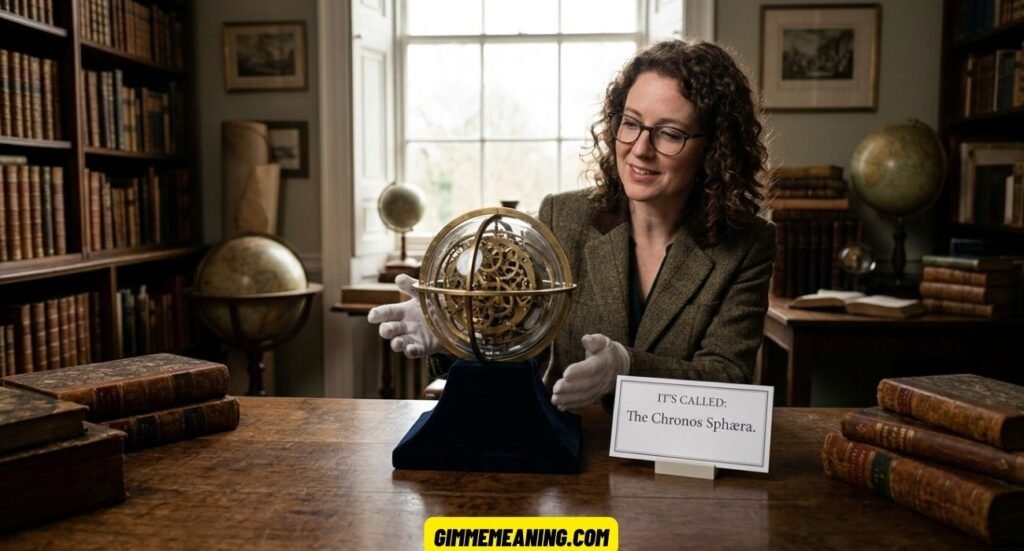
Many students make mistakes when using these phrases because they do not fully understand grammar rules. They often confuse contractions and verb tenses, which leads to incorrect sentences. This is very common among beginners.
Another mistake is using “it’s called” in past tense situations. For example, saying “it’s called yesterday” is incorrect. These small errors can change the meaning of a sentence completely, so careful practice is important.
The Importance of Verb Tense in English
Verb tense helps show when something happens. In English, this is very important for clear communication. The phrase “it called” shows a past action, while “it’s called” shows a present idea or definition.
If you use the wrong tense, your message may become confusing. Learning verb tenses step by step can help you avoid mistakes. It also improves both speaking and writing skills over time.
Passive and Active Voice Made Simple
Passive and active voice are key parts of English grammar. “It’s called” is an example of passive voice, where the focus is on the result or name. “It called” is active voice, where the subject performs the action.
Understanding this difference helps you write more clearly. Active voice is often direct and strong, while passive voice is useful for explanations. Both are important, and knowing when to use each one improves your grammar.
See Also : Happy Holiday or Happy Holidays? Exploring the Difference
Tips to Improve Your English Grammar Skills
Improving grammar takes time and practice. One helpful tip is to read more English content, such as books and articles. This helps you see correct sentence structures in real situations.
Another useful tip is to practice writing sentences daily. Try using both “it’s called” and “it called” in different examples. Over time, you will become more confident and make fewer mistakes.
How Practice Helps You Master These Phrases
Practice is the key to mastering any language skill. The more you use these phrases, the easier they become. Start with simple sentences and slowly move to more complex ones.
You can also test yourself with exercises or quizzes. This helps you check your understanding and fix mistakes. With regular practice, you will learn to use both phrases correctly without confusion.
FAQs
Is called or it’s called?
“It’s called” is correct in most cases because it means “it is called,” while “is called” needs a subject to complete the sentence.
Is it how is it called or what is it called?
“What is it called?” is correct and commonly used, while “how is it called?” is not natural in English.
Is how is it called grammatically correct?
No, “how is it called” is not standard English and sounds unnatural to native speakers.
Is what is it called correct?
Yes, “what is it called?” is fully correct and widely used to ask for the name of something.
Final Thoughts
we learned the difference in It’s Called vs It Called in a clear and simple way. “It’s called” helps us give a name to something, and “it called” shows an action in the past. These two forms may look similar, but they have different meanings. When you understand this, you can build better sentences and avoid common grammar mistakes.
You can improve your English by practicing these forms every day. Try to use them in speaking and writing. Read simple texts and notice how people use these phrases. With time, you will feel more confident. Learning small grammar rules like It’s Called vs It Called helps you become a better English learner.